On 4 June, 48 South African business leaders joined us at Hazendal Wine Estate to hear Nick Wood, GM at Matumi Fresh, walk through his team’s Business Central migration. Here is what we took away.
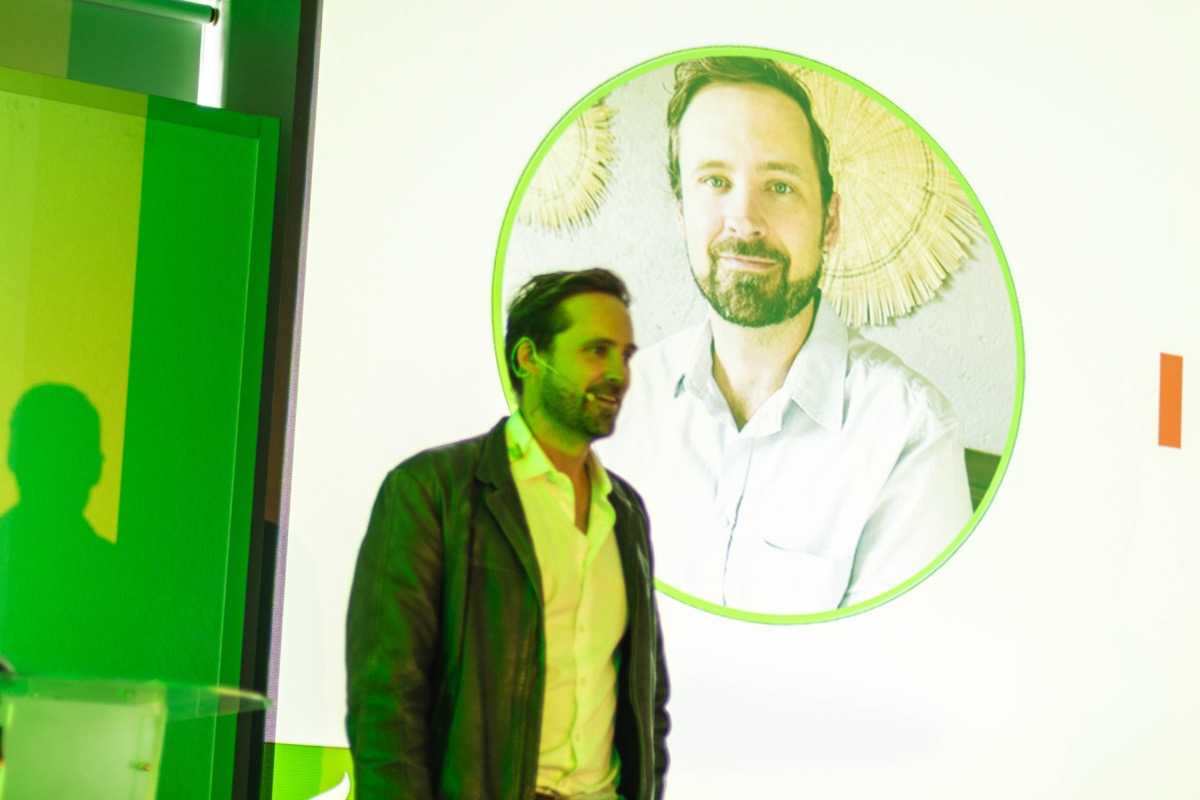
Setting the scene
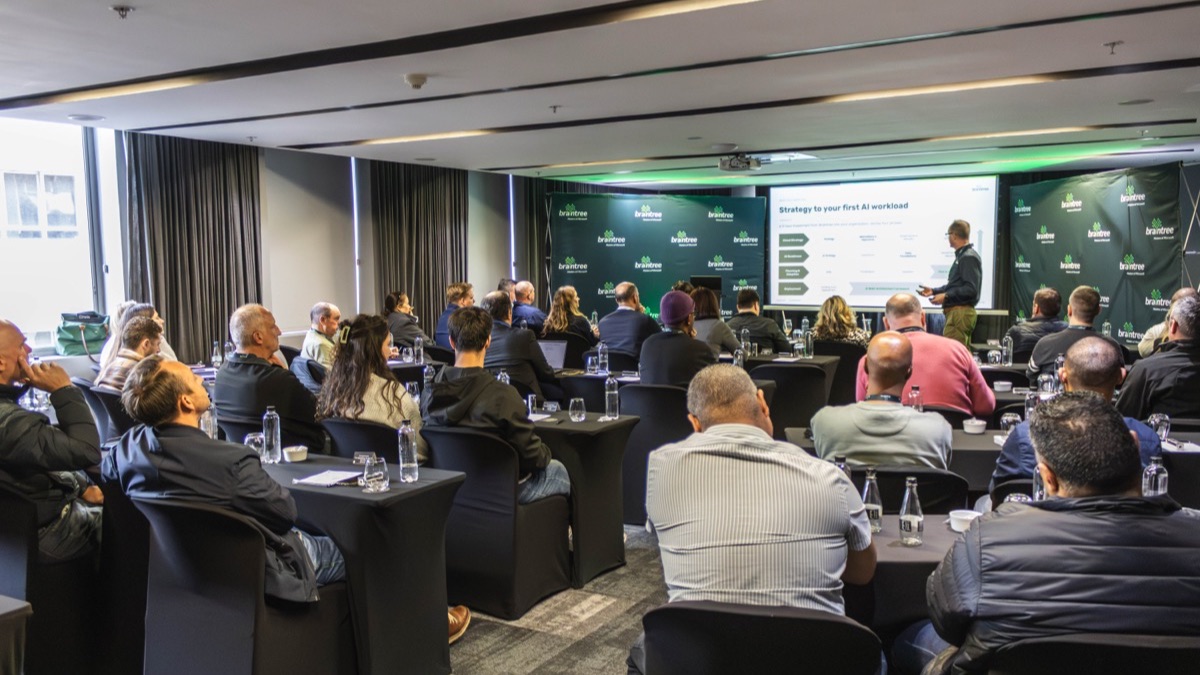
We hosted the day at Hazendal because we wanted a venue that was not a hotel conference room. We picked the format because we wanted one customer story told properly, not three vendor demos in a row.
The room was 48 people. South African business owners, CIOs, CFOs and operations leaders. Most already running on Microsoft. Most weighing what to do next about Dynamics 365.
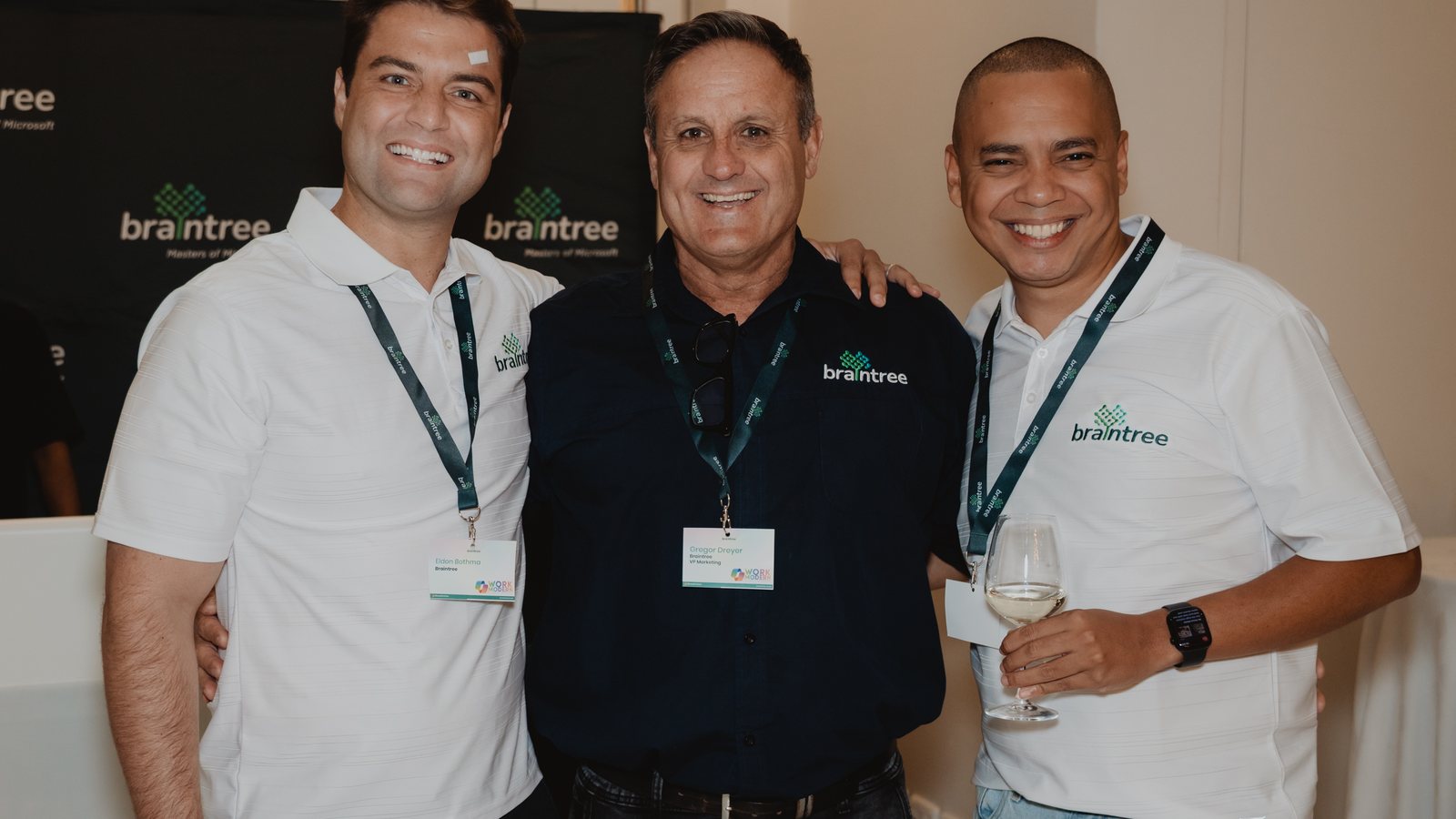
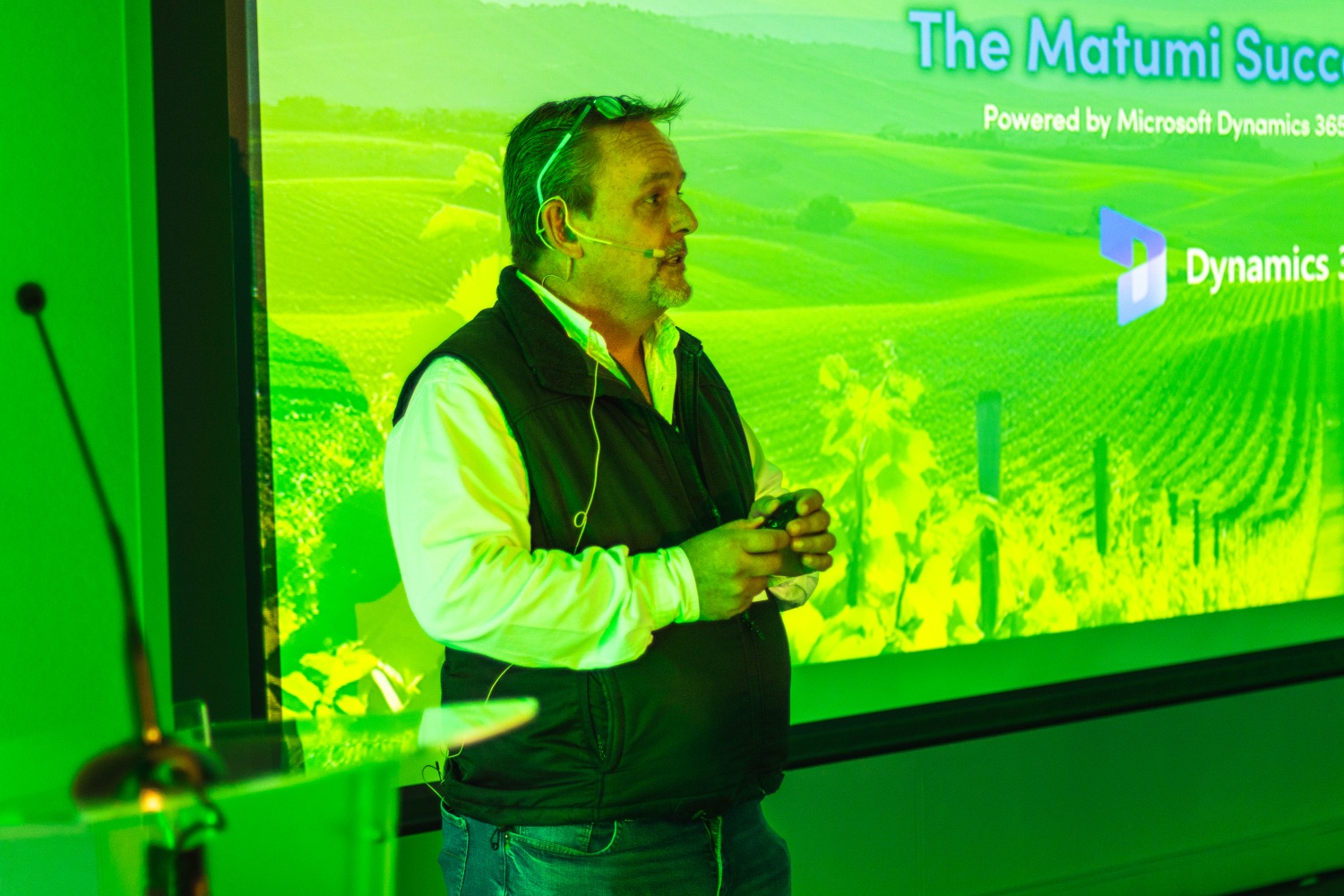
The Microsoft team joined us for the working session. Our Braintree implementation team was there for the technical questions. Nick Wood from Matumi did the keynote.
The customer’s story
Matumi Fresh Group is a Cape-based family business that supplies fresh produce into South African supermarkets and a few export channels. The price of a tomato changes overnight. The price in Durban is not the same as the price in Cape Town. The cost of getting it there is not the same as last week. Margins live and die in those gaps.
For years Matumi held the business together with a capable team, a long memory, and a stack of Excel sheets connected to a few systems. It worked until it did not. The team grew. The SKU count grew. The price moves kept moving. And the same number kept showing up in three places with three different answers.
Nick was honest about why they moved. Not transformation. Not the future of work. The team was spending too many hours pulling the same number out of three places and getting three answers. The goal was to get one answer.
“We had to know what the old system was doing for us, before we threw it away.”
Nick Wood, General Manager, Matumi FreshIf you want the implementation detail, the Matumi case study is the longer write-up of how the migration ran.
Three things worth taking home
Nick said a lot worth writing down. Three things keep coming back.
Diagnose before you cut over.
Matumi spent real time understanding what their old system was actually doing for the business before they replaced any of it. Not what it was supposed to do on paper. What it actually did on a Tuesday morning. The hidden integrations. The spreadsheet built in 2014 that still ran the price update. The reports one buyer had quietly come to rely on. That diagnostic is what made the cut over clean instead of panicked.
Decisions get easier when the data is trusted.
Once Business Central was the single source of truth, the arguments inside Matumi changed. Less guesswork. More numbers. Margins by SKU. Margins by customer. Margins by region. The same answer in every meeting. The win was not the dashboard. The win was that nobody argued with it.
Be honest about the cost of change.
The hardest costs of a Business Central migration are not in the licences. They are in change management. They are in retraining. And they are in the productivity dip while people learn the new way of working. Nick was honest about all of it. Plan for those costs from day one and the business comes out stronger on the other side.
What stayed with us
The Microsoft team’s working session ran after Nick. They showed Business Central doing real fresh-produce work. Real price updates flowing through. Real margin views. Real exceptions sitting where they should.
Our Braintree implementation team came in for the technical questions and answered them in the language the room used. Specialists in Business Applications, Modern Workplace and Azure.
The conversations that came up most after the keynote were about timelines and team capacity through a migration like this. Honest answers, not optimistic ones. That is the kind of room we wanted to build.
Take the deck with you
We are sharing the deck Nick walked us through openly. If you could not make the room, send it to the colleague who could not either.
Download the Matumi deck (PDF)Be first to the next one
AI Jumpstart x Zava is on Thursday 18 June at The Capital 15 on Orange in Cape Town. Same format. Different story. This time, the team behind Zava. A brand built fully on AI from day one, with no legacy systems to work around. Fifty seats. They are going.
Let’s grow.
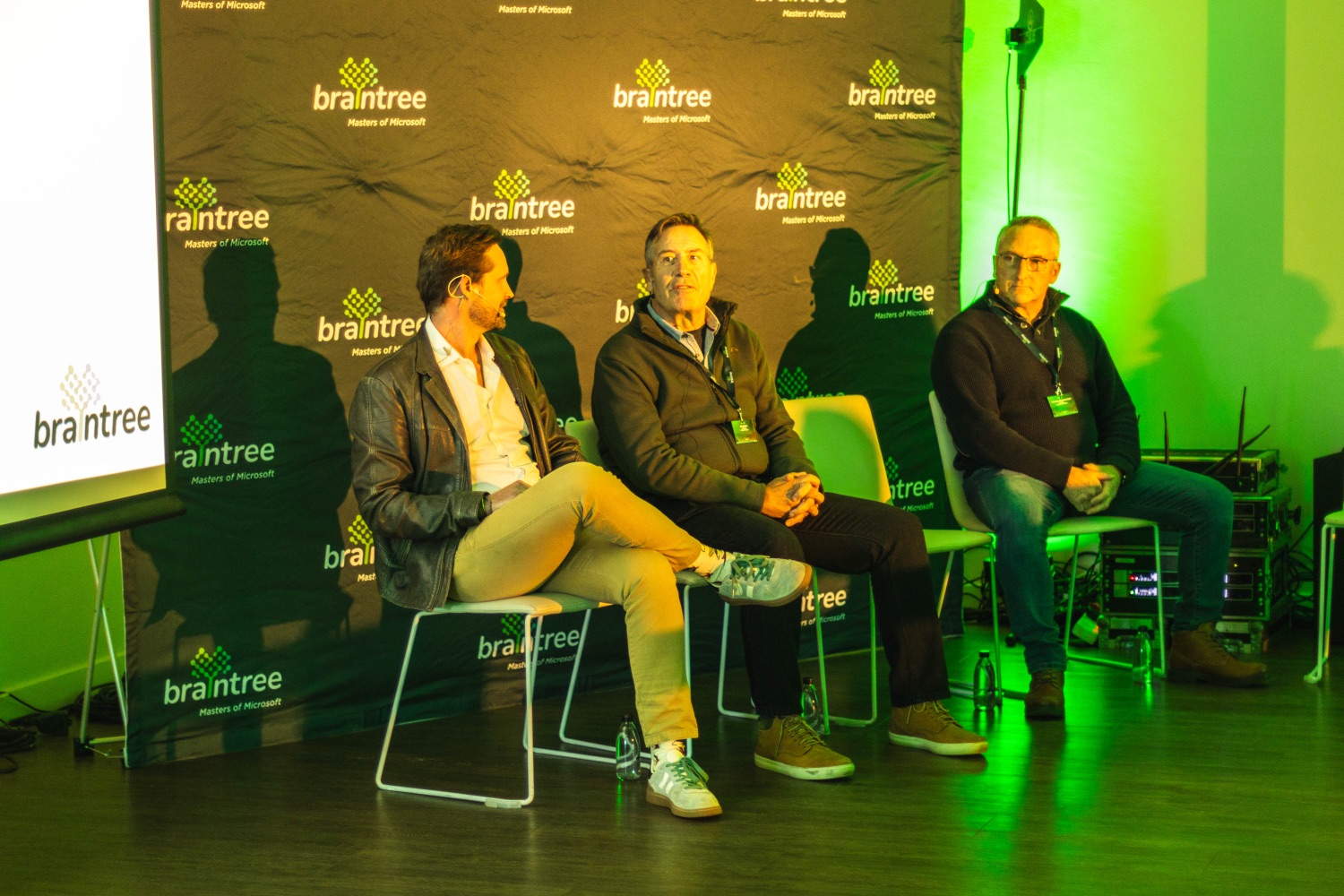
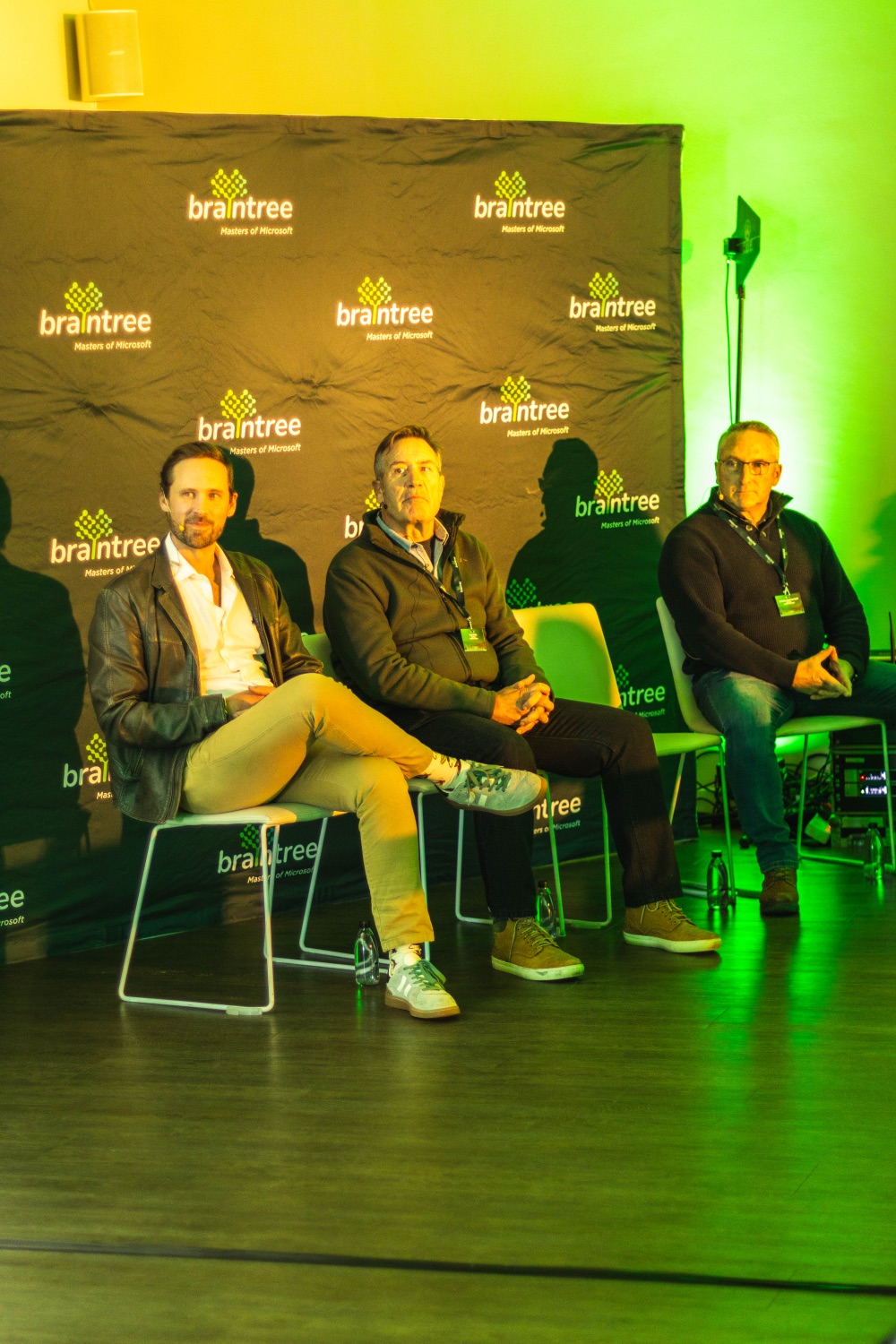
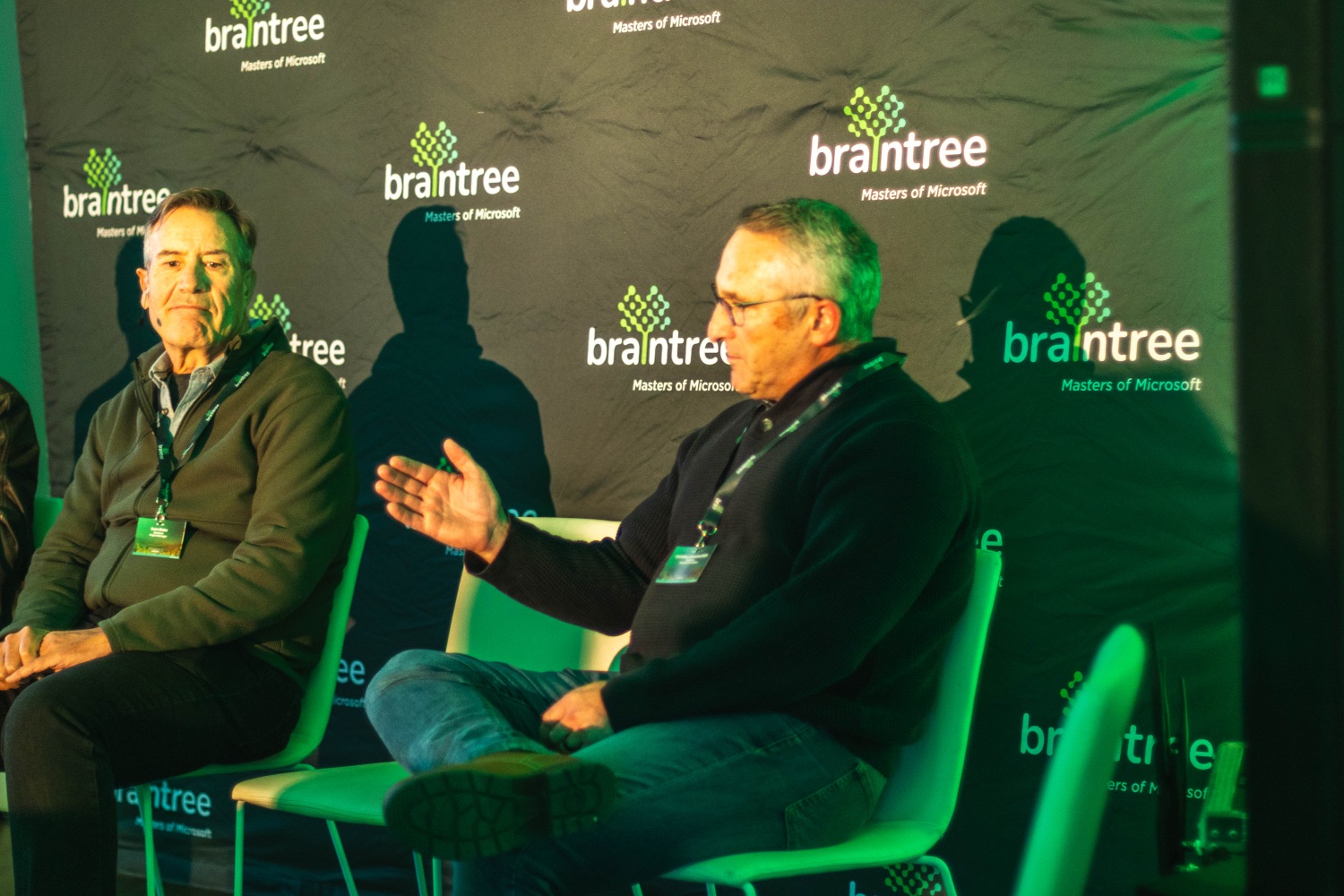
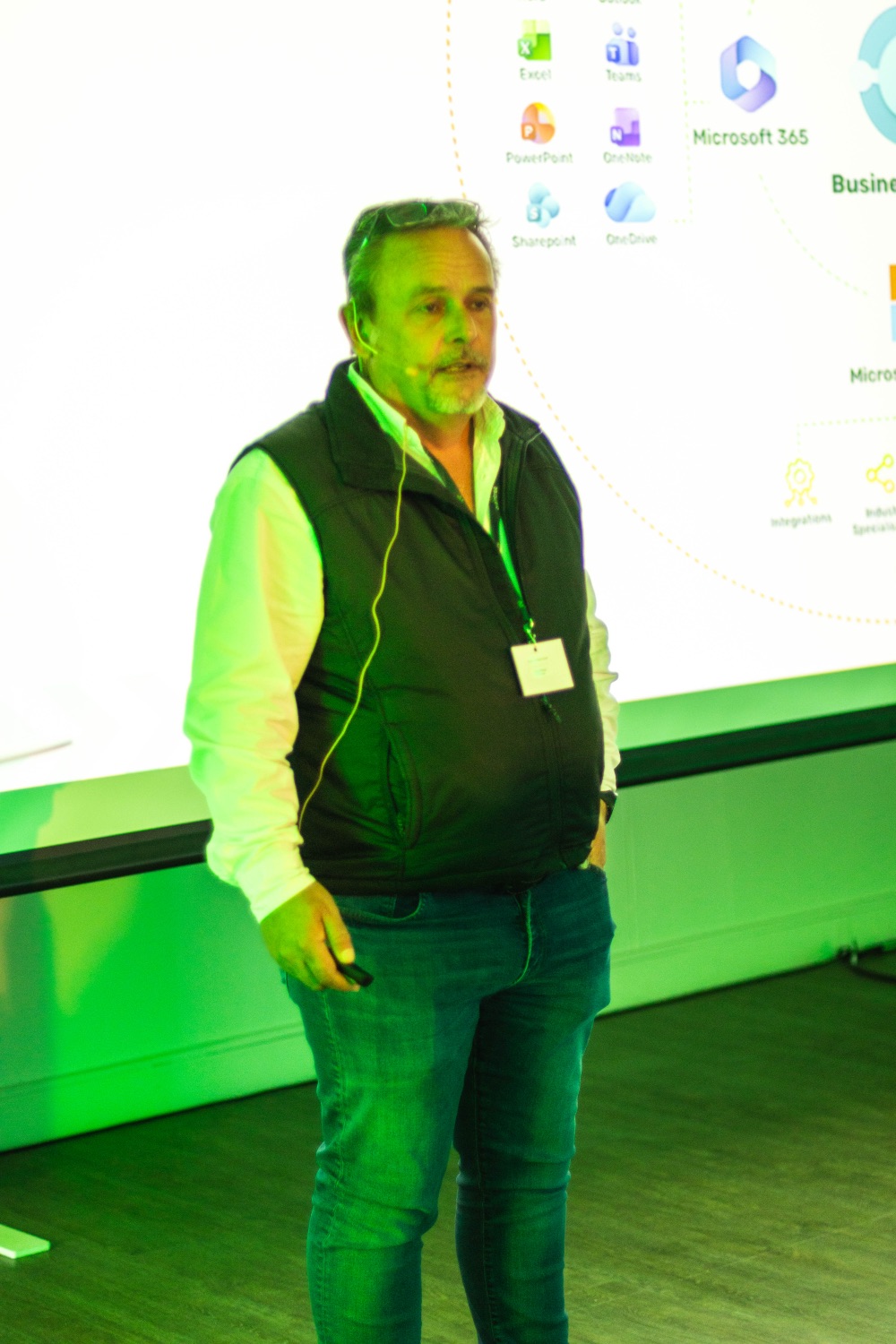
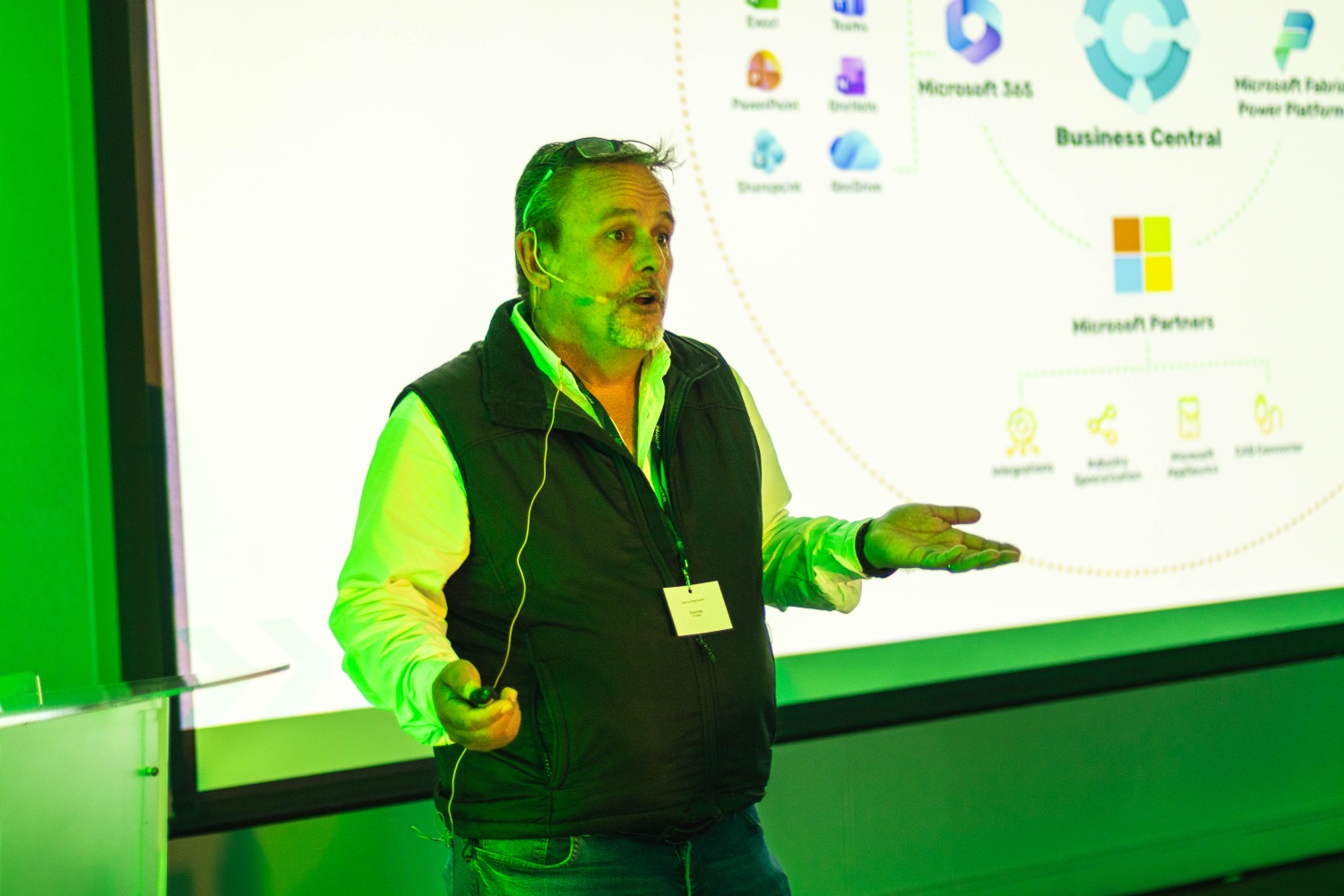
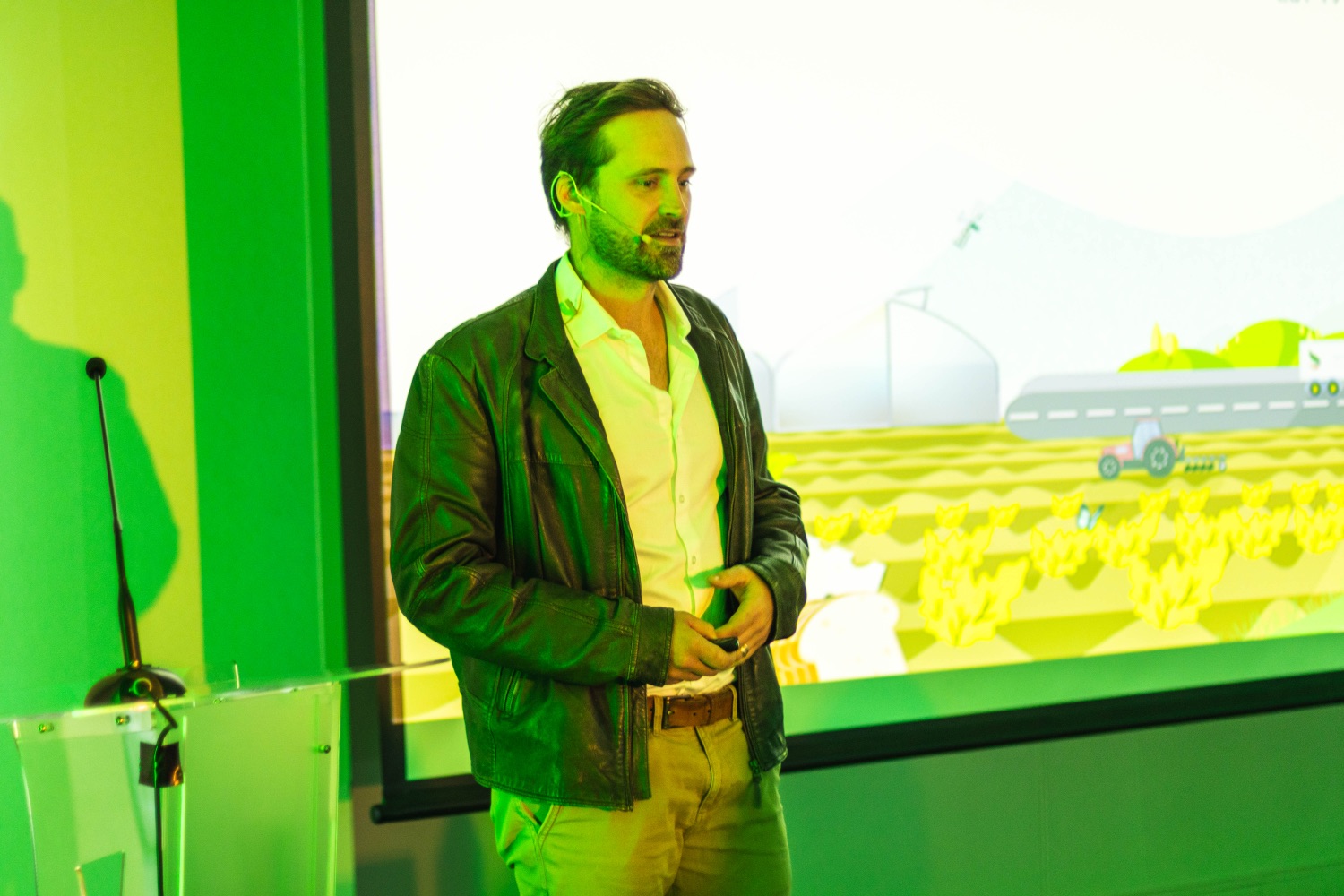
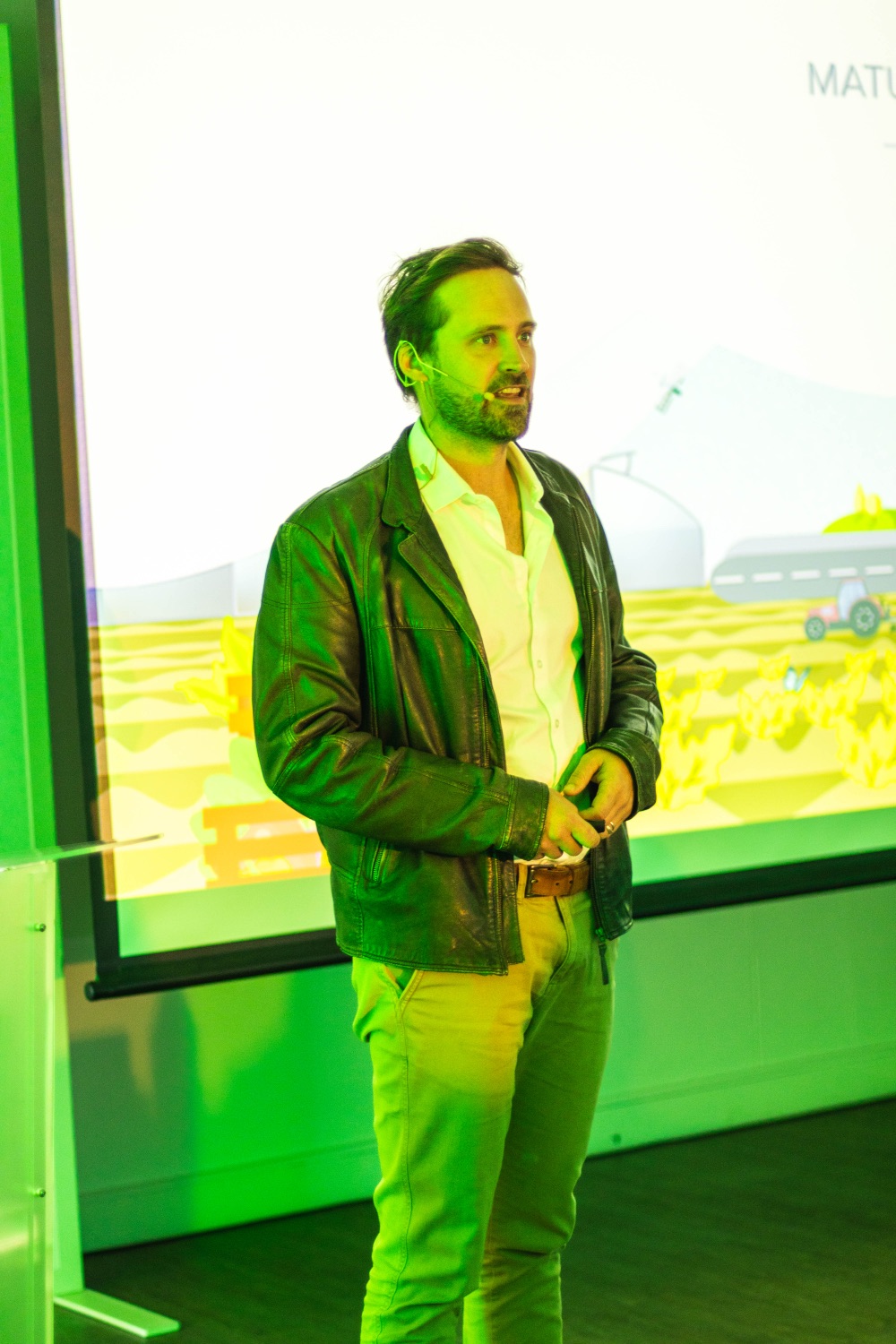
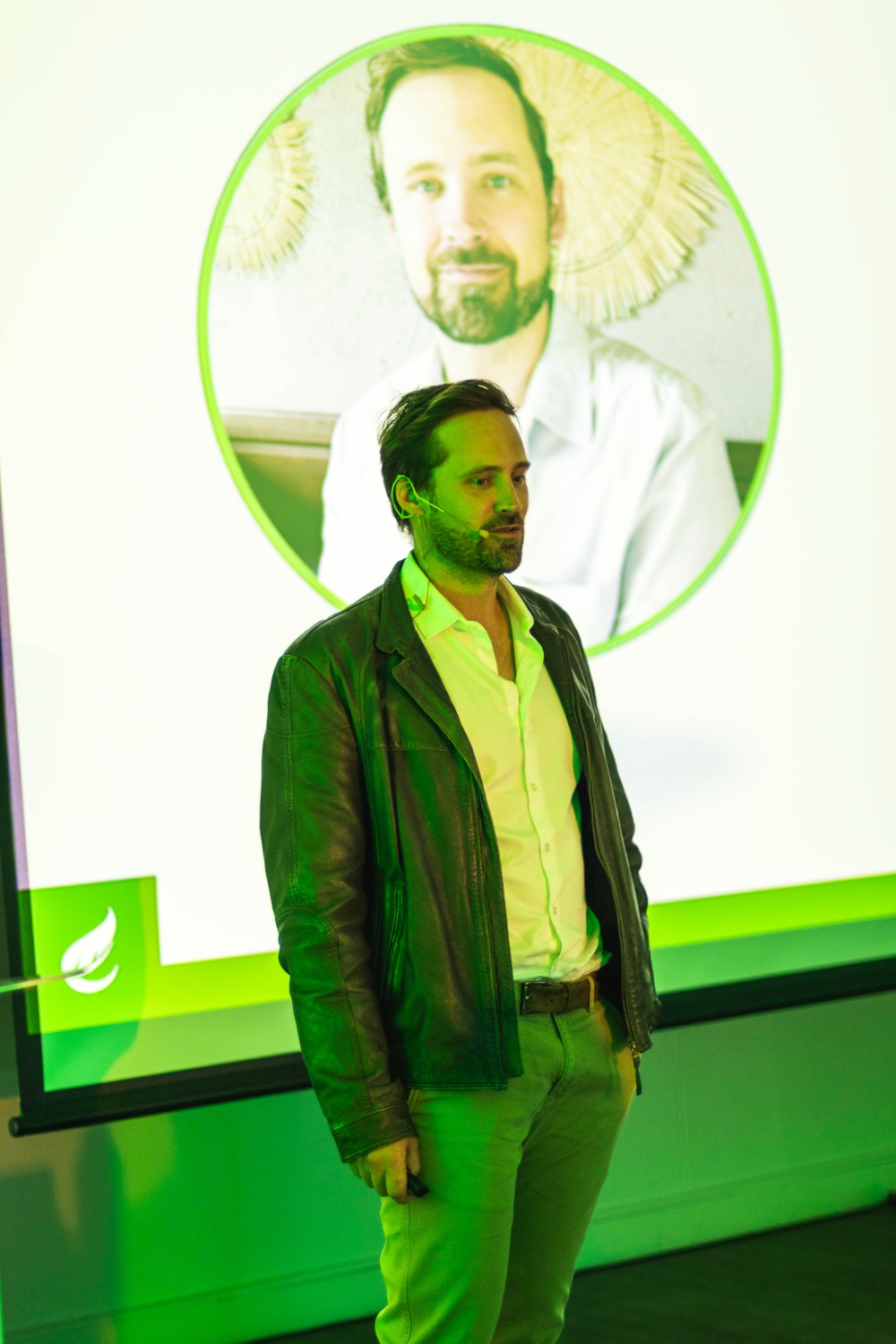
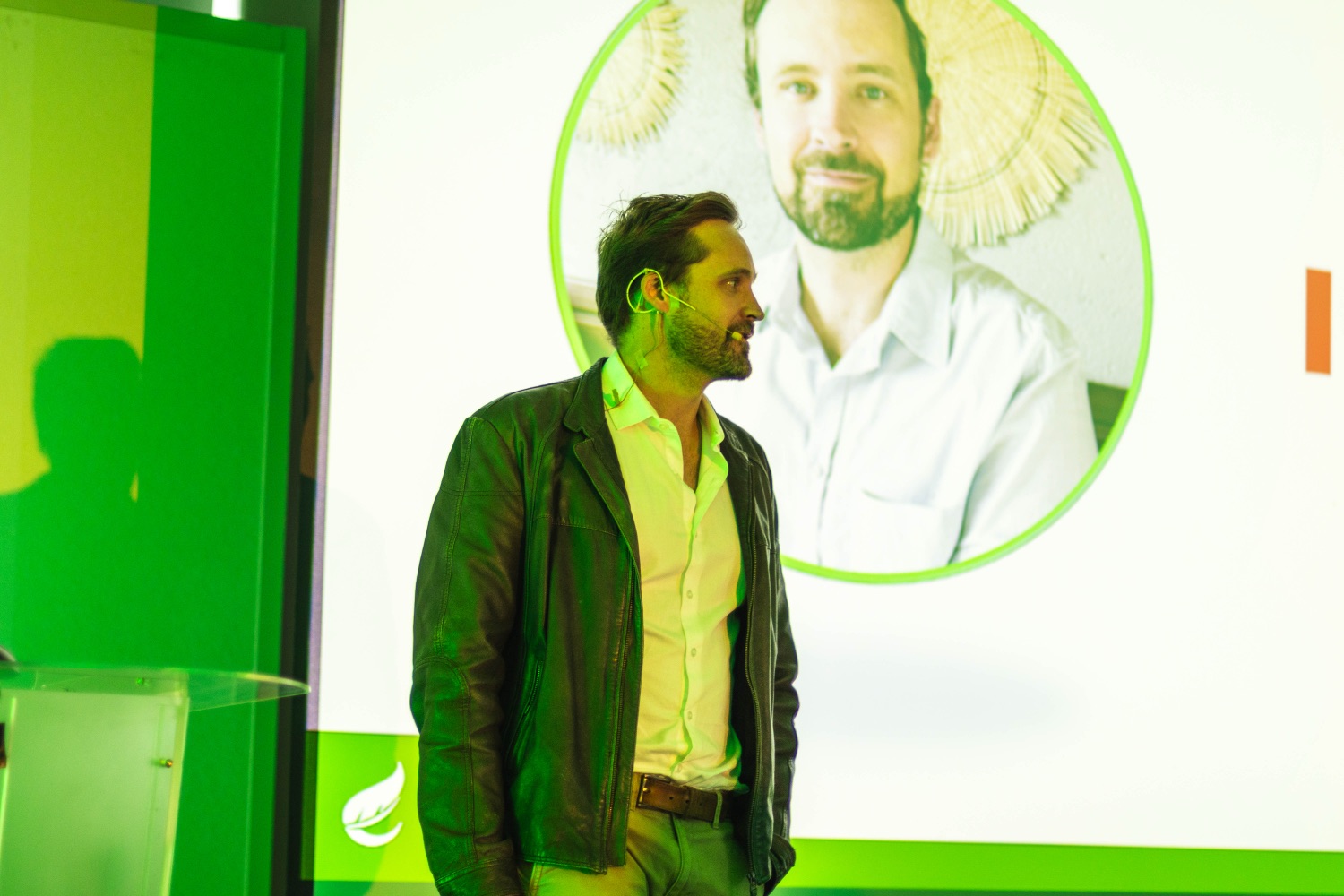
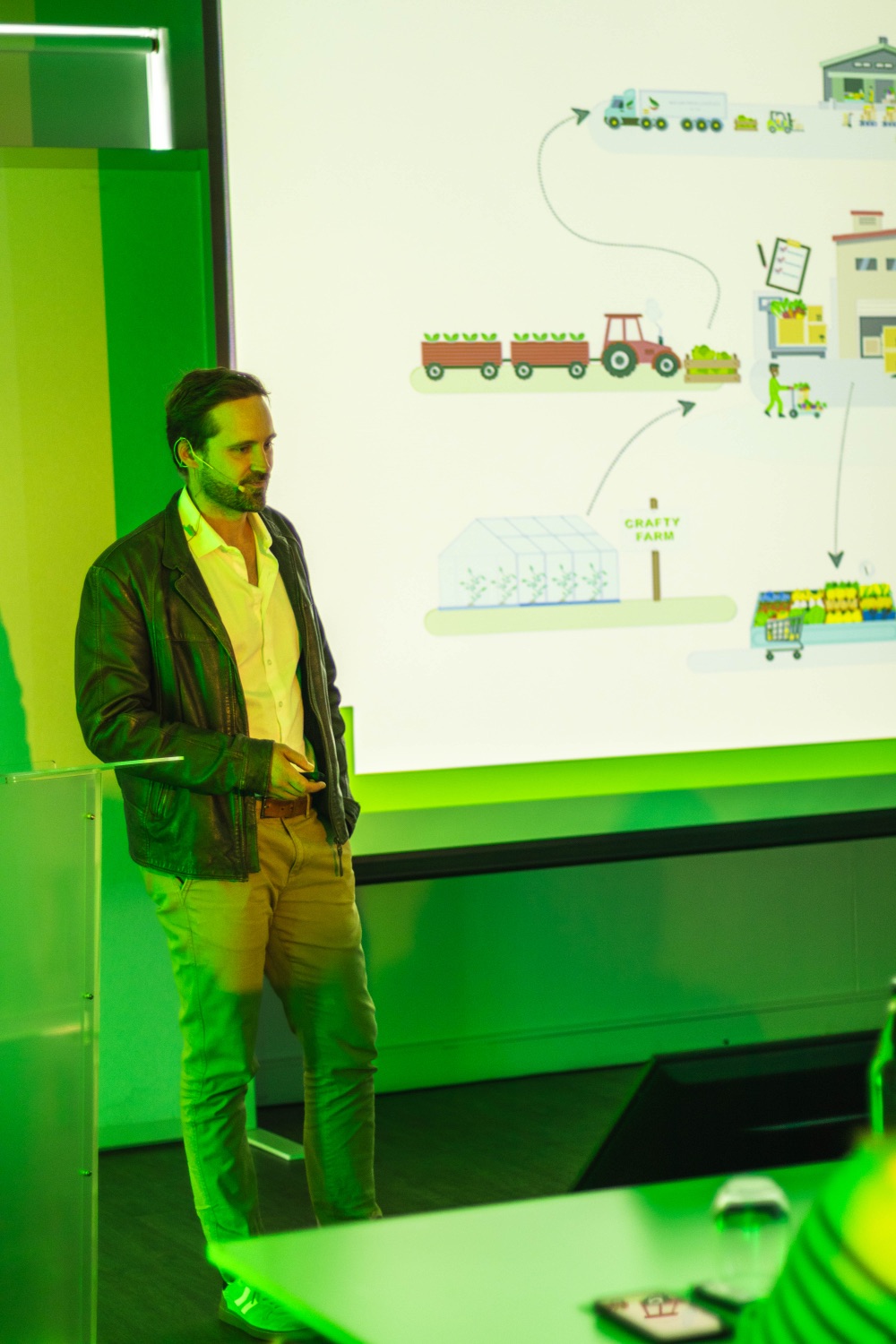
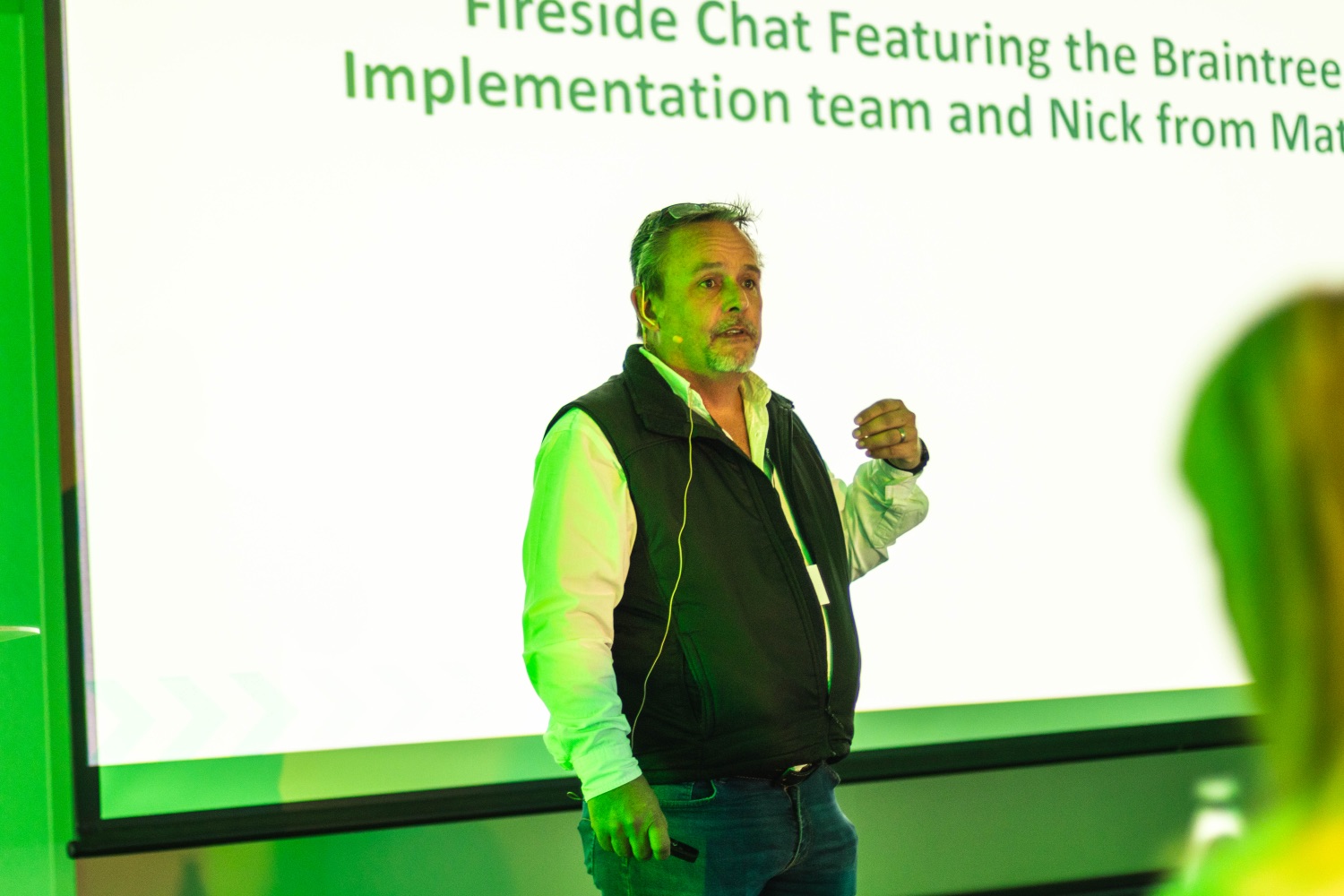
Moments from Hazendal
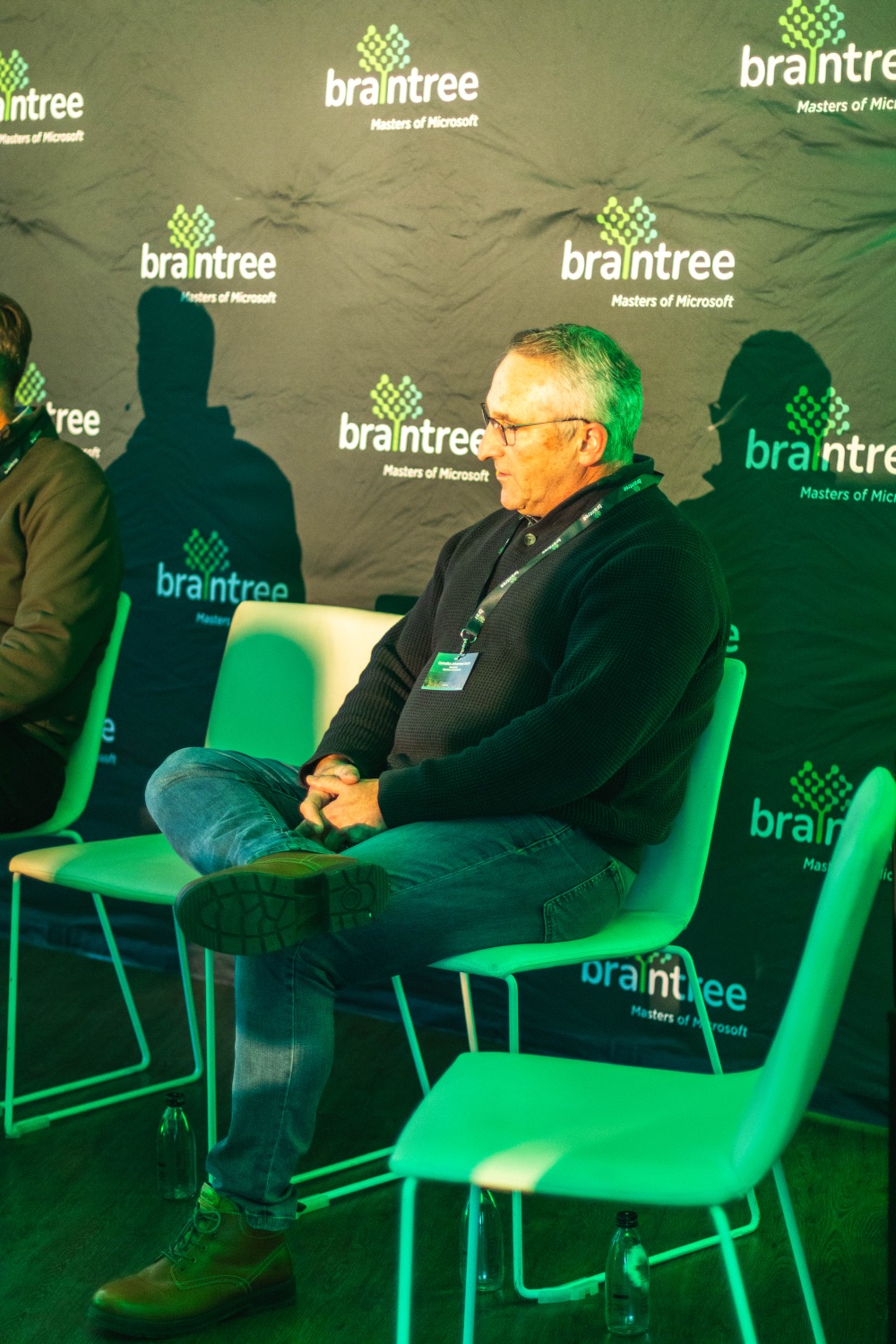
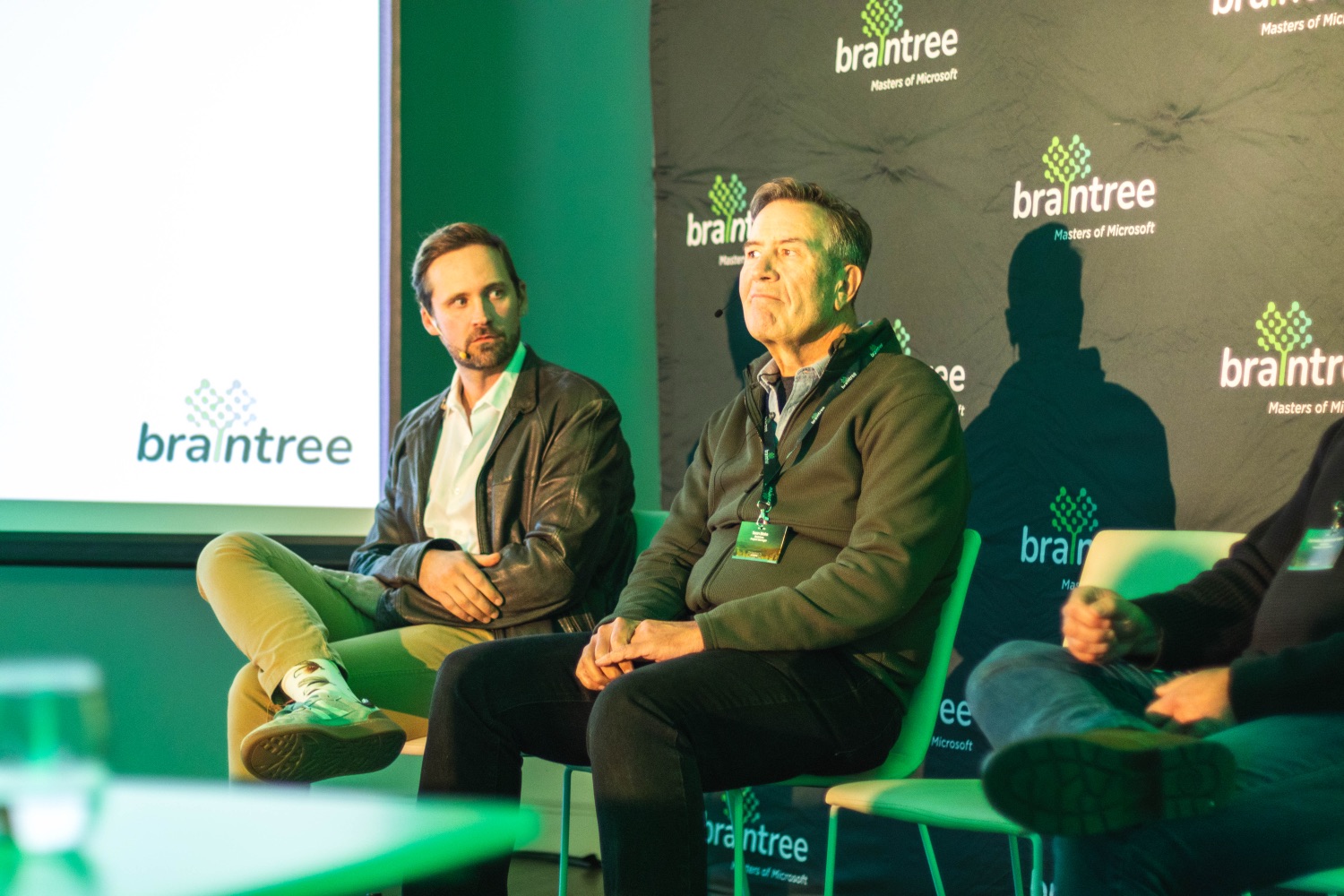
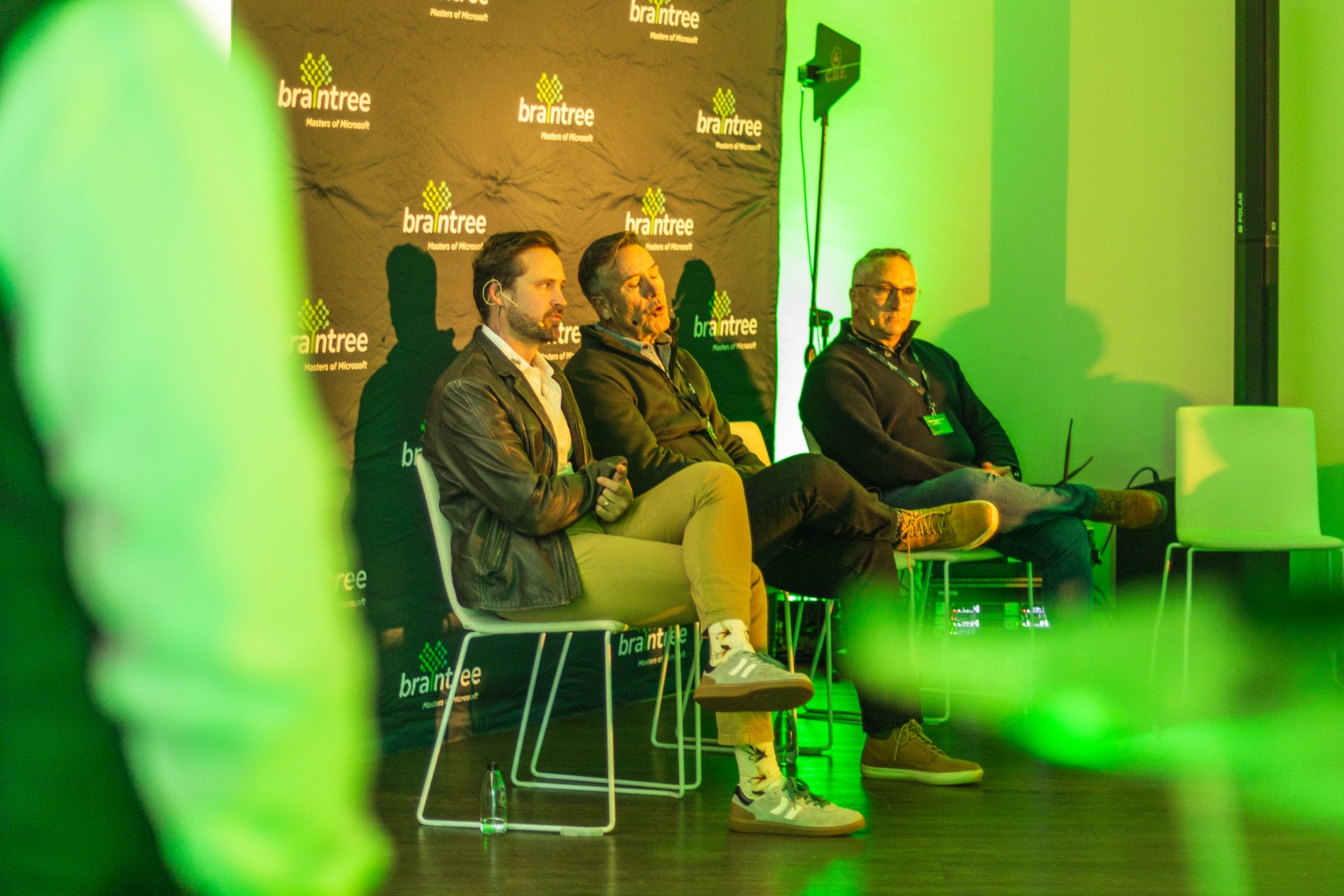
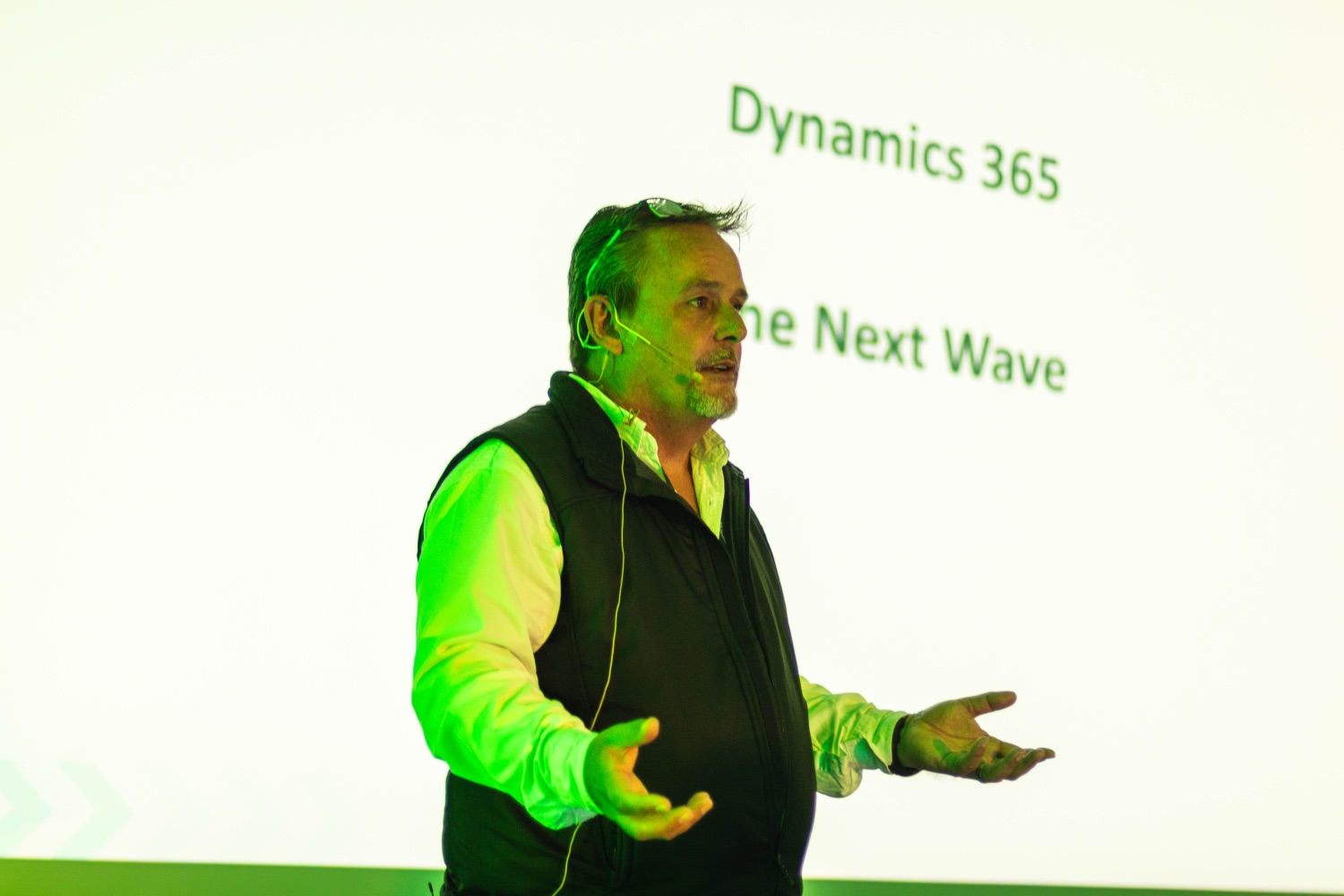
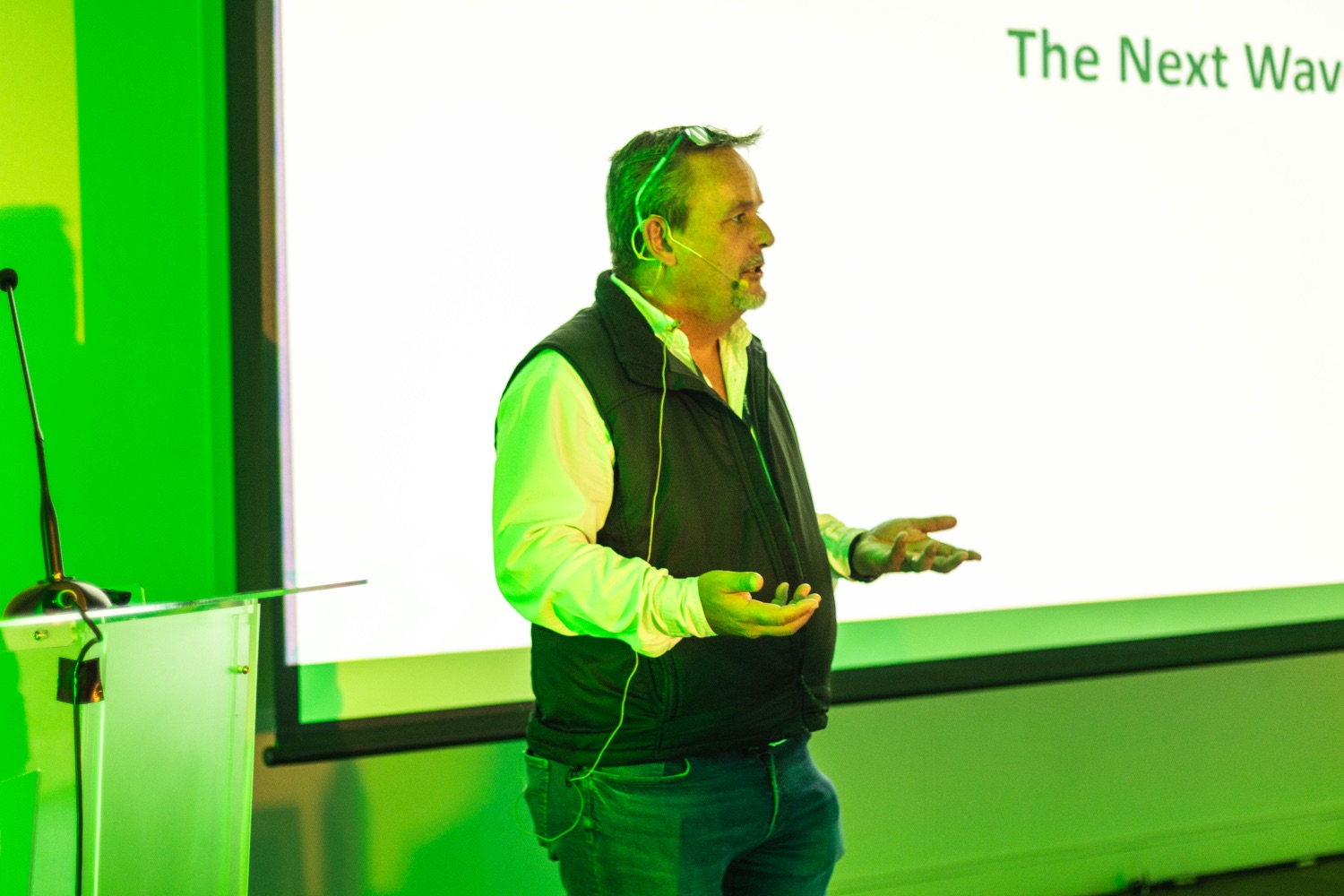
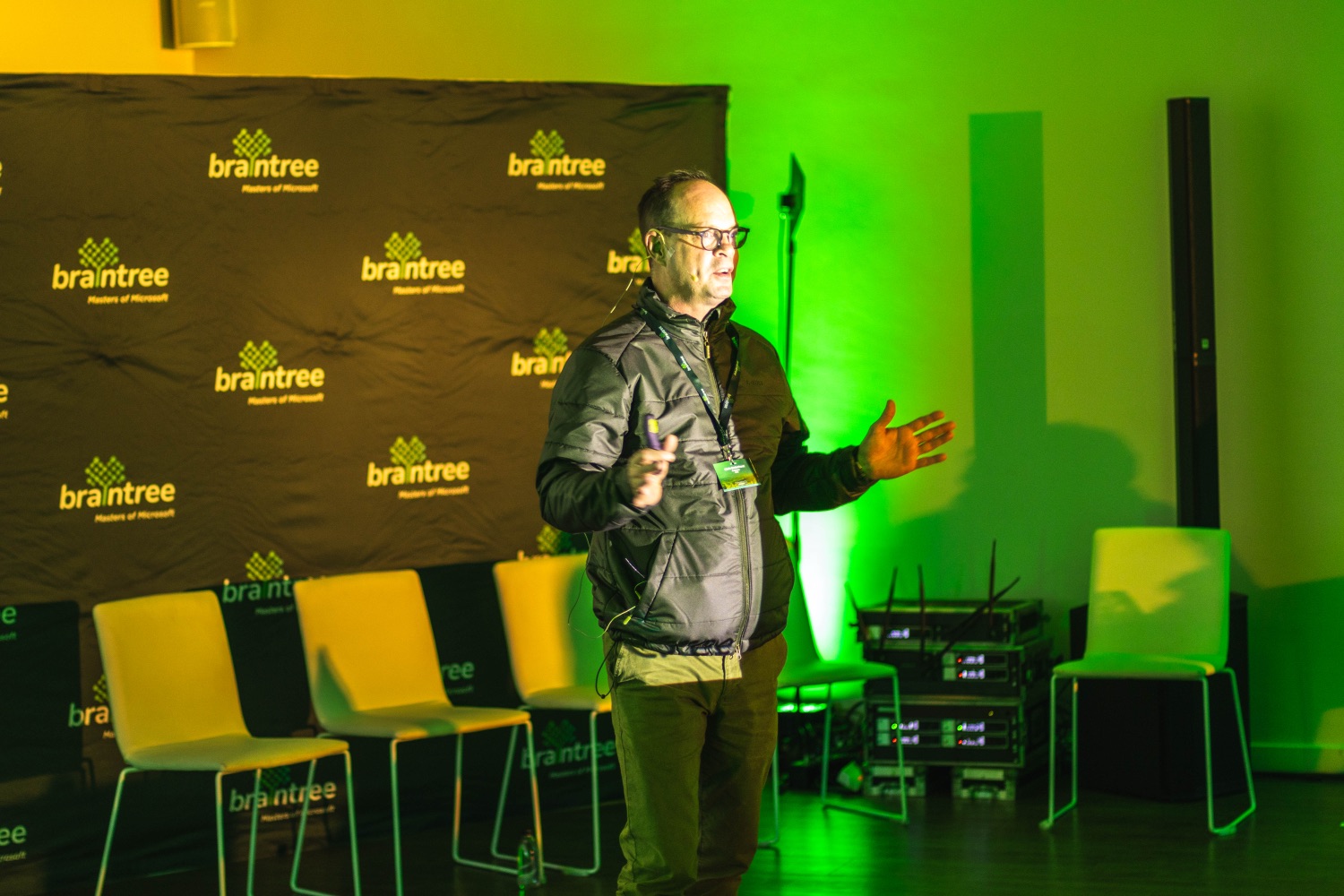
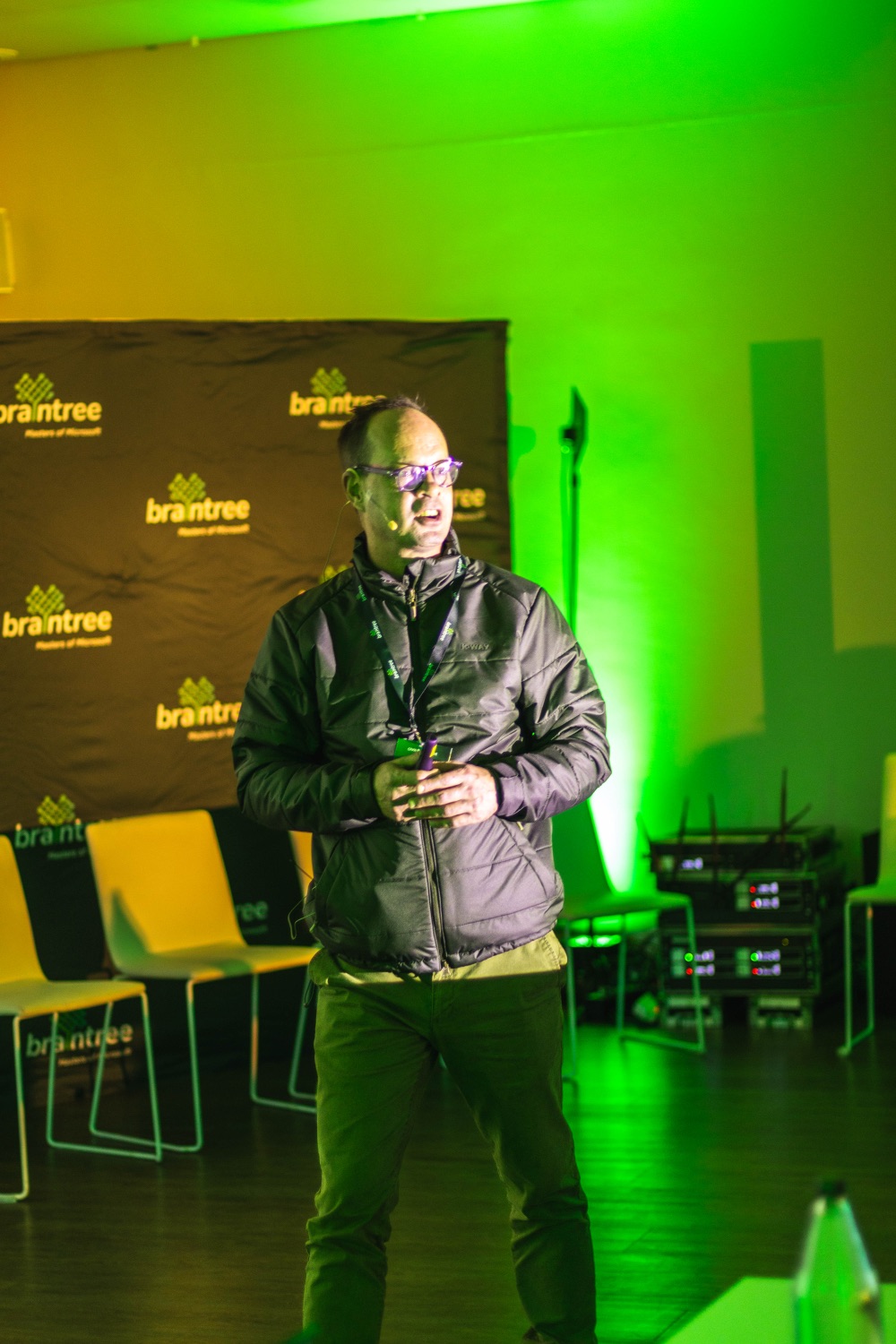
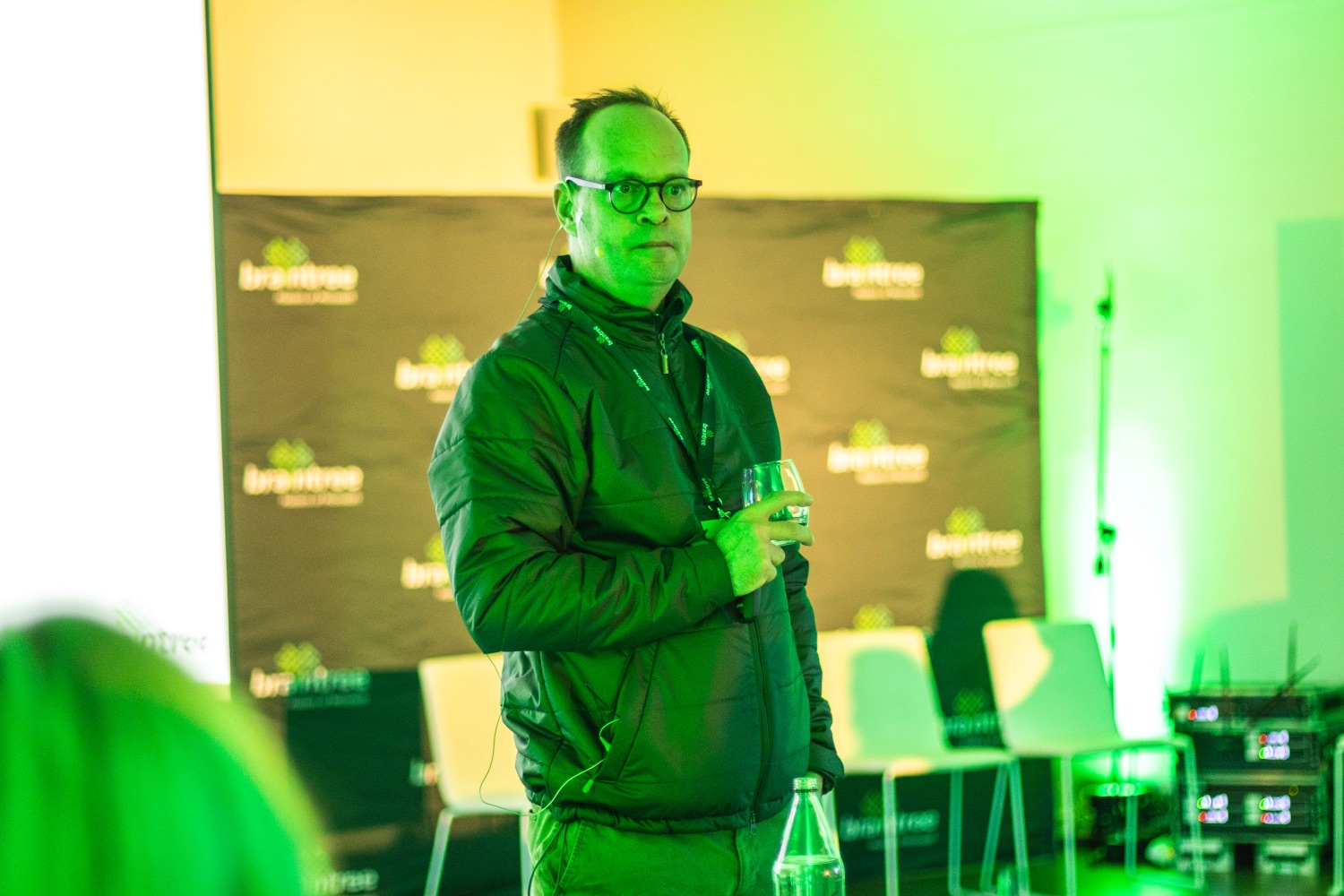
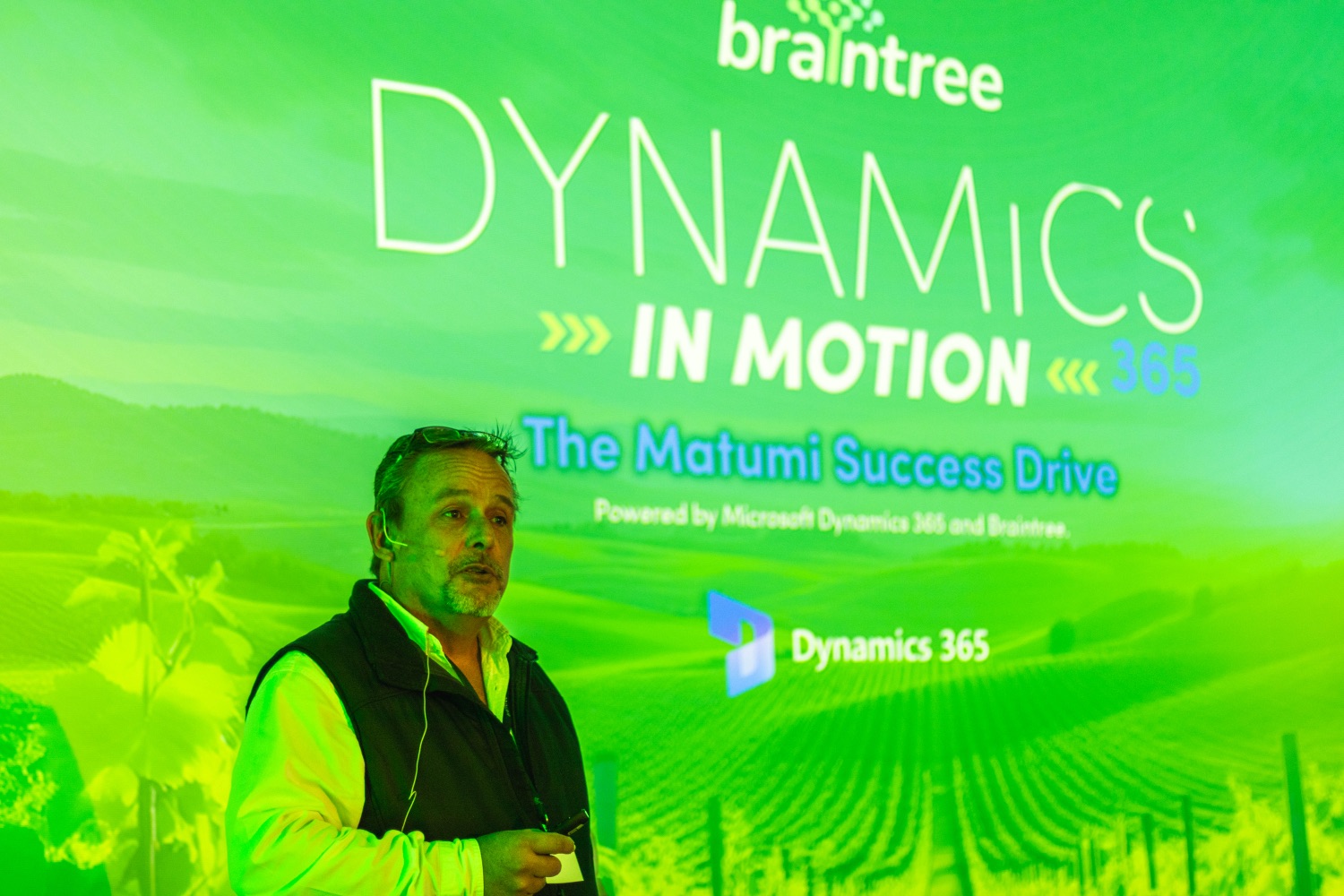
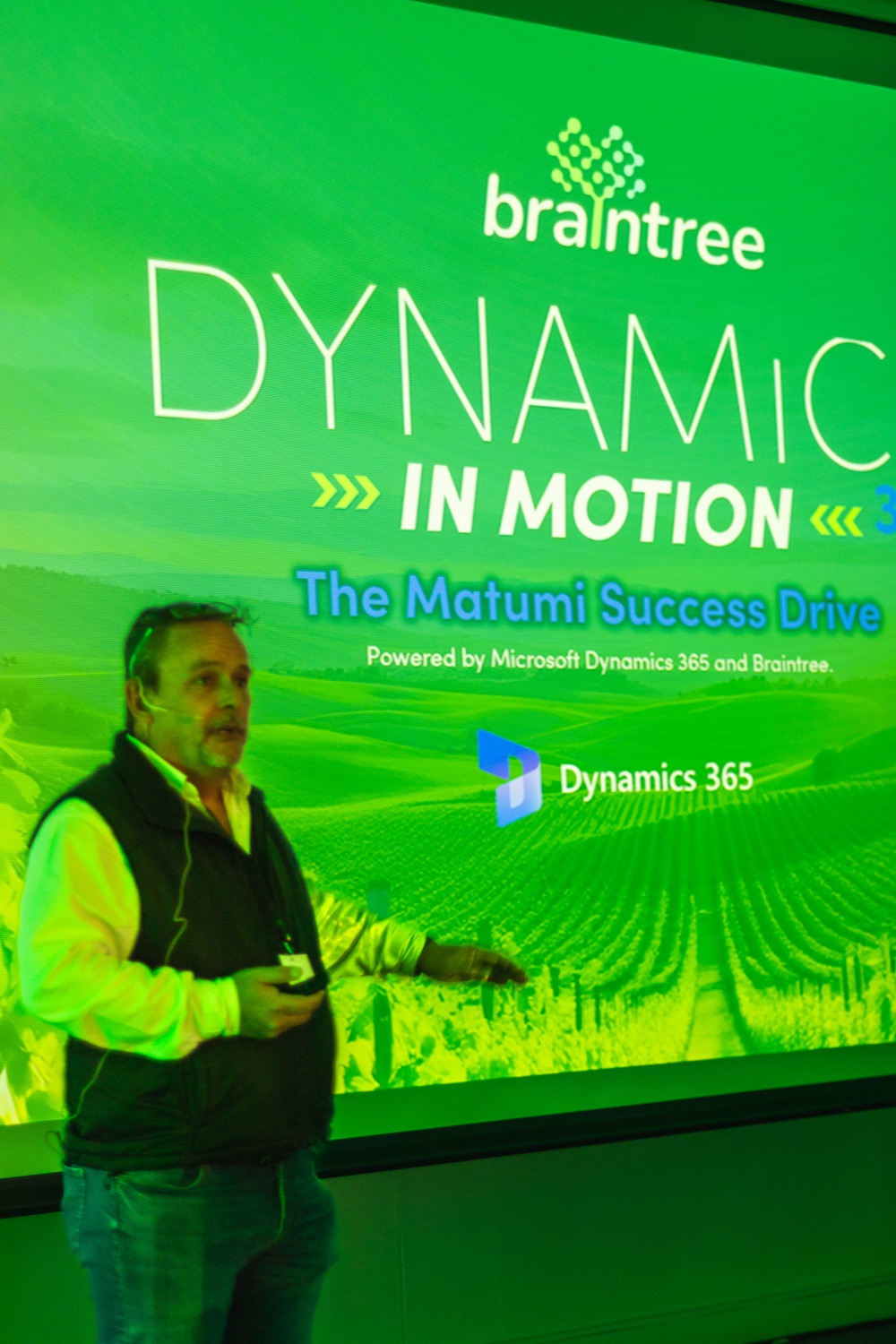
A look back at the Dynamics 365 in Motion afternoon with the Matumi Fresh Group, from the room to the panel on stage.
Related Events
The events below are the ones our customers have been finding their way to next.