Microsoft Build is the company’s developer conference, and it sets the direction for the year ahead. Build 2026 ran on 2 and 3 June in San Francisco, and the theme was impossible to miss: AI agents, and the tools to build and govern them.
The spectacle is fun to watch. It is also not very useful if you run a business and have to make a decision. So here is a different take. We have set aside what was merely demonstrated or speculated about, and focused on what is genuinely available right now, what it does, and what a South African business should do about it.
The honest picture: the agent era is already here
Most of the agent features people now attribute to Build did not actually launch at Build. They shipped in stages over the preceding months, and Build is where Microsoft pulled the story together. That distinction matters, because it means you are not waiting for any of this. It is live.
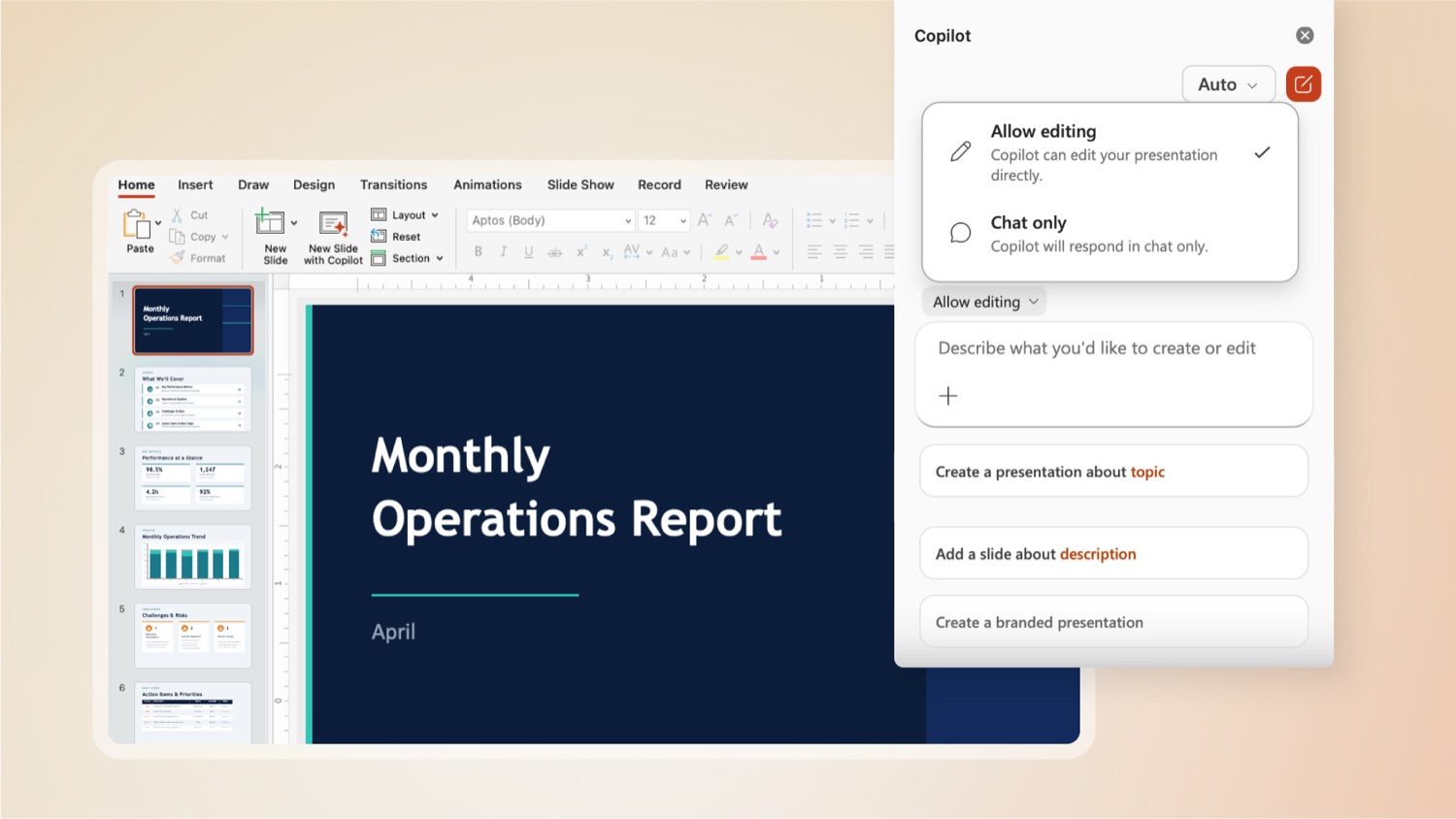
Here is what is genuinely generally available.
What to be careful believing
A word of caution, because it is the kind of thing a good partner should tell you. A lot of what circulated online as “Build 2026 news” is either a recap of features that shipped months earlier, or speculation written before the keynote. Some product names doing the rounds do not appear anywhere in Microsoft’s official material. We have left those out on purpose. When we tell you something has shipped, it is because Microsoft has published it, not because a blog said so.
What it means for your business
Strip away the noise and the practical message is steady.
On the question everyone asks, does it pay back, the most cited evidence is a series of Forrester studies commissioned by Microsoft. For smaller businesses, the projected three year return ranged widely, from roughly 132 to 353 percent. The enterprise study landed at about 116 percent, with users saving close to nine hours a month. Treat those as directional rather than a promise, because they are vendor commissioned and partly projected. The honest version is simpler: the time saved is real, and it is biggest where your people do repetitive document and data work.
The South African angle
Two things matter locally.
First, data residency. Microsoft has put in-country data processing for Microsoft 365 Copilot on its roadmap for South Africa, but a firm local go live date is not confirmed, and South Africa is not in the first wave of countries. For now Copilot runs on Microsoft’s global and regional infrastructure, with South African data residency available for the core Microsoft 365 services through the Johannesburg and Cape Town Azure regions. If you handle POPIA sensitive information, this is worth a proper conversation before rollout, not an afterthought.
Second, investment. Microsoft has committed a further 5.4 billion Rand to expand its cloud and AI infrastructure in South Africa by the end of 2027. The capacity, and the local skills that come with it, are growing.
Where to start
You do not need to act on everything Microsoft announced. You need a short, honest plan: where Copilot saves your team the most, what to fix before switching it on, and how to govern it. That is the work we do.
If you would like to turn this month’s headlines into a costed plan for your business, talk to our team. We will start with the use cases that pay for themselves, and the data clean up that keeps you safe.
The agent era is not coming. It is here, it is licensable today, and the businesses that win with it are the ones that roll it out deliberately. Book a Copilot readiness conversation with Braintree.
Specialists in Business Applications, Modern Workplace and Azure. Let’s grow.